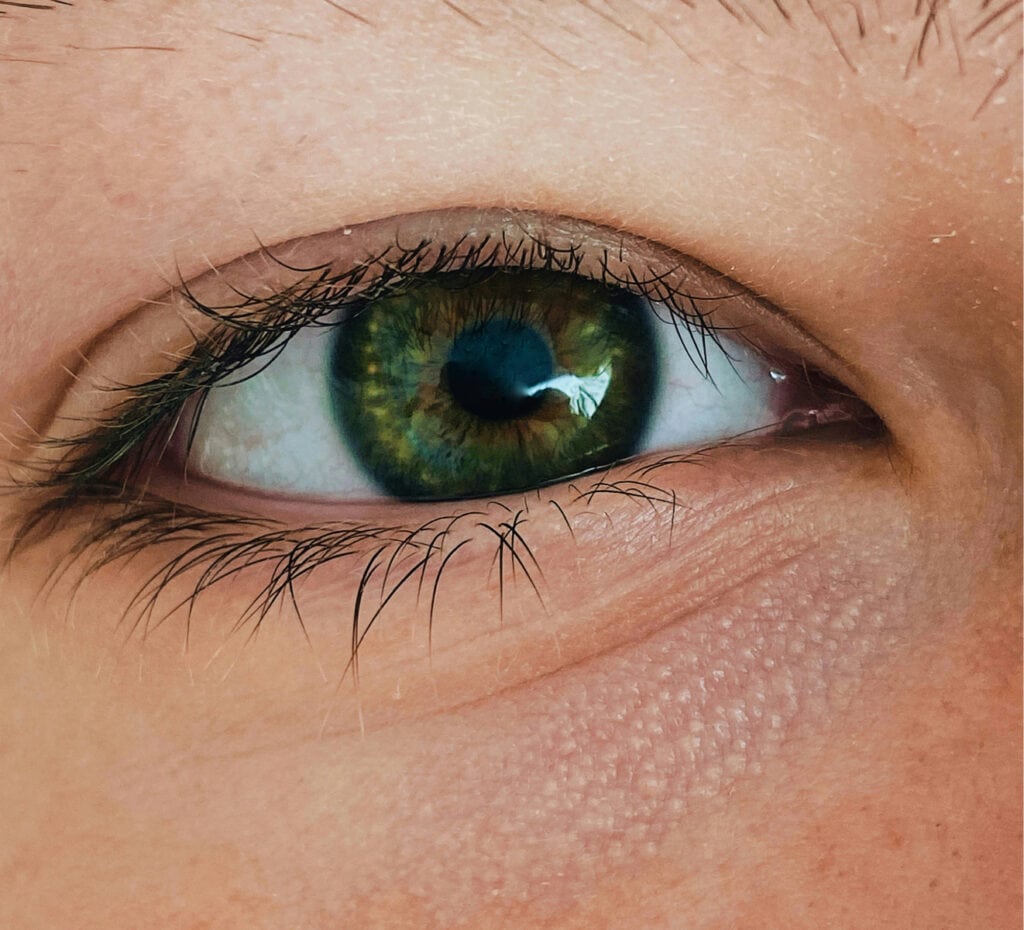
Dry Eye Clinic
Our dedicated Dry Eye Clinic in Rototuna sees patients from across Hamilton and the wider Waikato — Rototuna, Flagstaff, Chartwell, Hamilton East and further afield. If your eyes are gritty, watery, red or tired by the end of the day, a dry eye assessment will tell you why, and what will actually help. No referral is needed.
Dry Eye Syndrome, affecting around 20% of Kiwis, is a condition where your eyes lack the necessary lubrication provided by tears.
Whether it’s due to insufficient tear production or poor-quality tears, this can cause discomfort and even damage to the surface of your eyes.
- Red, irritated or watering eyes
- Dry, scratchy or itchy eyes
- Blurred vision
- Burning sensation
- Sensitivity to bright light, cold wind or air conditioning
- Discharge or crusting around your eyelids in the morning
What can cause dry eye syndrome?
Natural ageing (especially during menopause in women), medications (including the oral contraceptive), and living in an area with lots of wind and dry air are all possible causes of dry eye syndrome.
This condition may also affect individuals who have undergone cataract surgery, laser eye treatments, or wear contact lenses.
In addition to being over 40, other health conditions such as arthritis, asthma, and diabetes can make you more prone to dry eye syndrome.

How we assess your dry eye
Effective treatment starts with knowing which type of dry eye you have, so we measure before we treat.
A dry eye assessment at Rototuna Optometrists looks at the quality and stability of your tear film, examines your eyelid margins and oil glands, and checks for inflammation and lash mites.
Only then do we build a treatment plan — because the treatments for evaporative dry eye and for reduced tear production are quite different, and treating the wrong one wastes your time and money.
How is Dry Eye Syndrome treated?
In order to keep your eyes healthy and comfortable, our optometrists provide a number of treatment options.
Your optometrist will conduct a comprehensive clinical assessment of your eyes and symptoms to determine the best treatment plan for you. Depending on the type and severity of your dry eye, your plan may include:
- IPL (intense pulsed light)
- Prescription medication
- Nutrition
- Clinical procedures
- Lubricants (eye drops)
- At home therapy
What is Intense Pulsed Light (IPL) and how does it treat Dry Eye Syndrome?
IPL is a revolutionary treatment which generates a series of flashes of polychromatic, homogeneously sequenced light delivered to the skin around the lower eyelid. The energy, spectrum and time period are precisely set to stimulate the meibomian glands to return to their normal function.
Each IPL session takes approximately 15 minutes. A series of flashes of light are applied to your lower eyelids and cheeks while you wear protective goggles. Although the flashes are extremely bright and feel warm on your skin, there is no pain or significant discomfort. It will not affect your ability to drive following the treatment. The frequency of the treatments will be advised by your Dry Eye Specialist.
Meibomian Gland Dysfunction (MGD)
Most dry eye in New Zealand is not caused by a lack of tears — it is caused by blocked oil glands.
Meibomian Gland Dysfunction is the most common cause of evaporative dry eye. Tiny glands along your eyelid margins produce the oil layer that stops your tears evaporating. When those glands become blocked or their oil thickens, your tears evaporate too quickly and your eyes feel gritty, tired and often watery.
MGD is a chronic condition, which means it is managed rather than cured. Left untreated the glands can shrink permanently, so the earlier it is picked up the more gland tissue there is to save.
Treatment is matched to severity and may include IPL to restore normal gland function, in-clinic gland expression, warm compress routines at home, and anti-inflammatory or nutritional support.